
Durable impact: SOR4D projects publish results
Four projects that received funding in the first phase of the SOR4D programme have achieved significant advances. Discover the impact they created:
How researchers are getting Ethiopia’s coffee ready for new EU rules
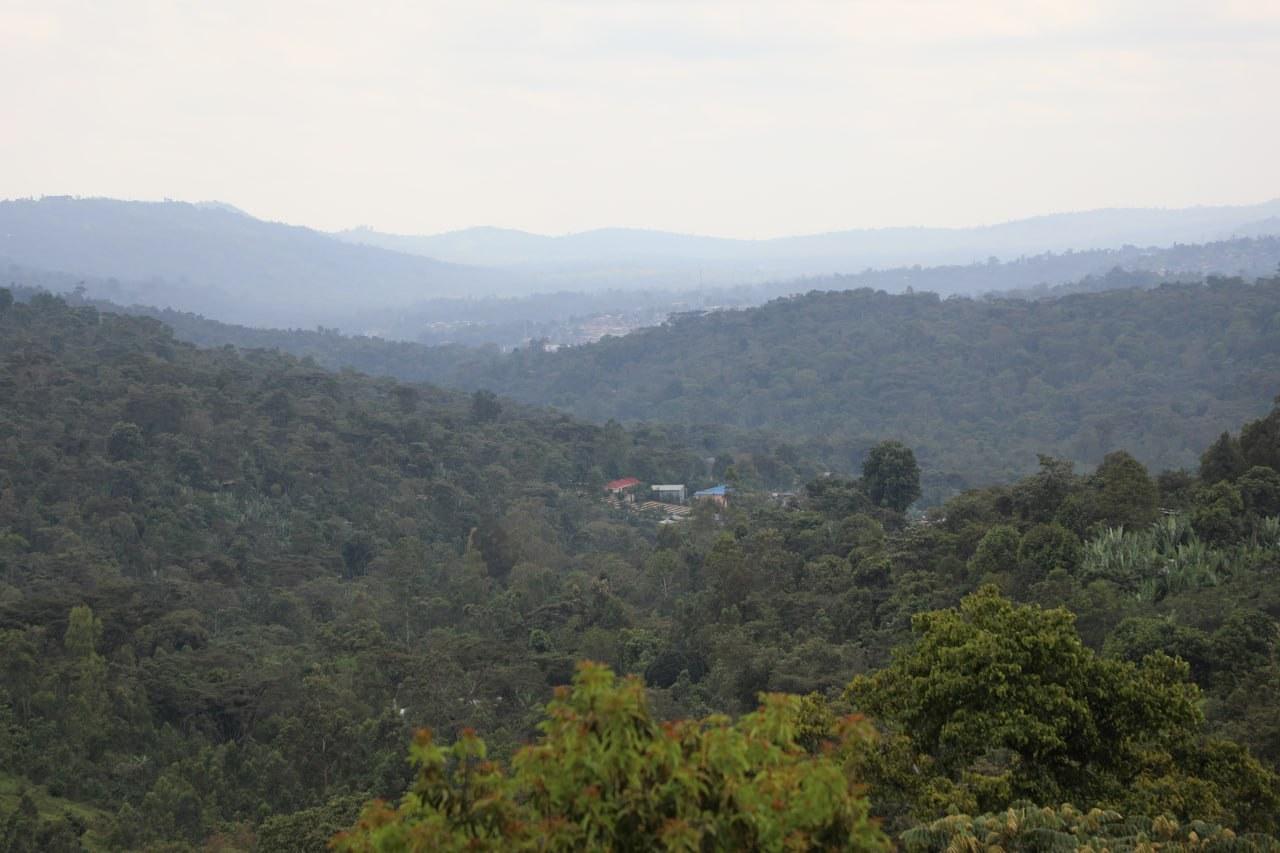
The new EU Deforestation Regulation is raising the standards for coffee exports worldwide. This is having a particular impact on Ethiopia, where millions of people make a living from coffee cultivation. A research project led by the University of Bern is working with local partners to develop systems for proof of origin – so small-scale farmers can benefit from sustainable production as well.
You can read the full publication here
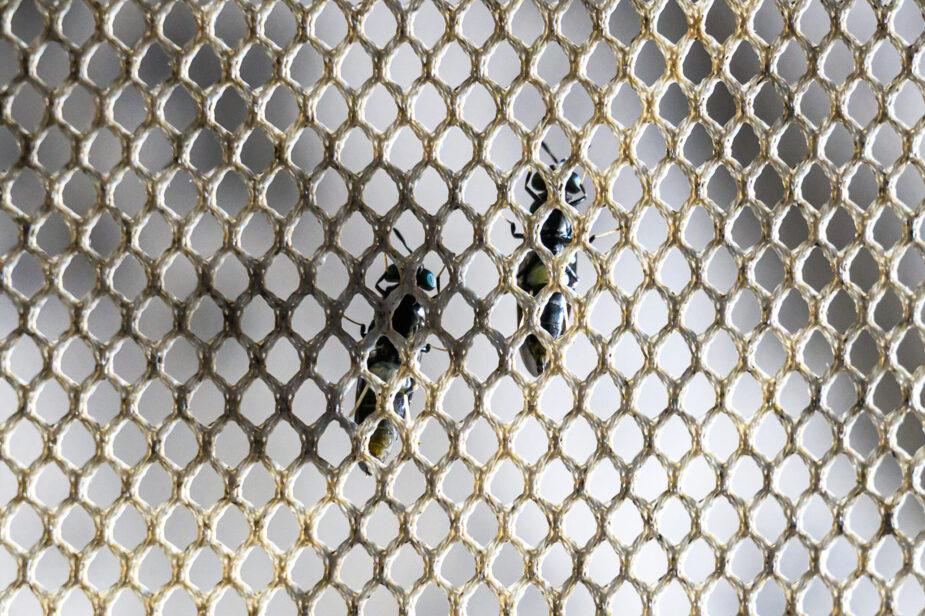
From restaurant waste to animal feed in six days
In Jinja, where the White Nile flows out of Lake Victoria, larvae of the black soldier fly turn organic waste into animal feed and fertil iser. One tonne of restaurant scraps, a few million larvae, six days, and at the end a sack of fertiliser and a bucket of feed. Partners from research and practice in Switzer land, Uganda and Malawi are exploring whether this can become a business model that stands on its own in East Africa.
You can read the full publication here
From poison to biology: how nematodes could help Kenyan farmers defeat the fall armyworm
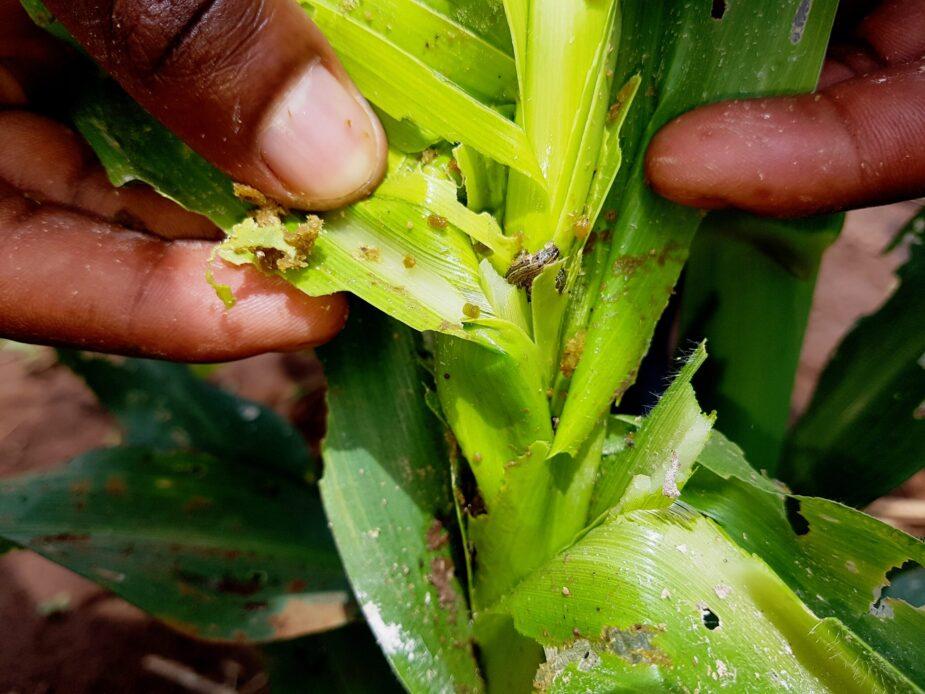
Since 2016, the fall armyworm has been devouring maize fields across Africa – and it has become clear that the pest is no regional problem. Having spread from the Americas to Africa, it has continued across Asia and has recently been detected in southern Europe. In Kenya, smallholder farmers spray against it fortnightly – often with substances long banned in Switzerland, and without protective clothing. A Swiss–Kenyan research project is seeking a biological solution: a parasitic nematode that kills the pest from within.
You can read the full publication here
Learning from the rainforest: new approaches for West African cocoa
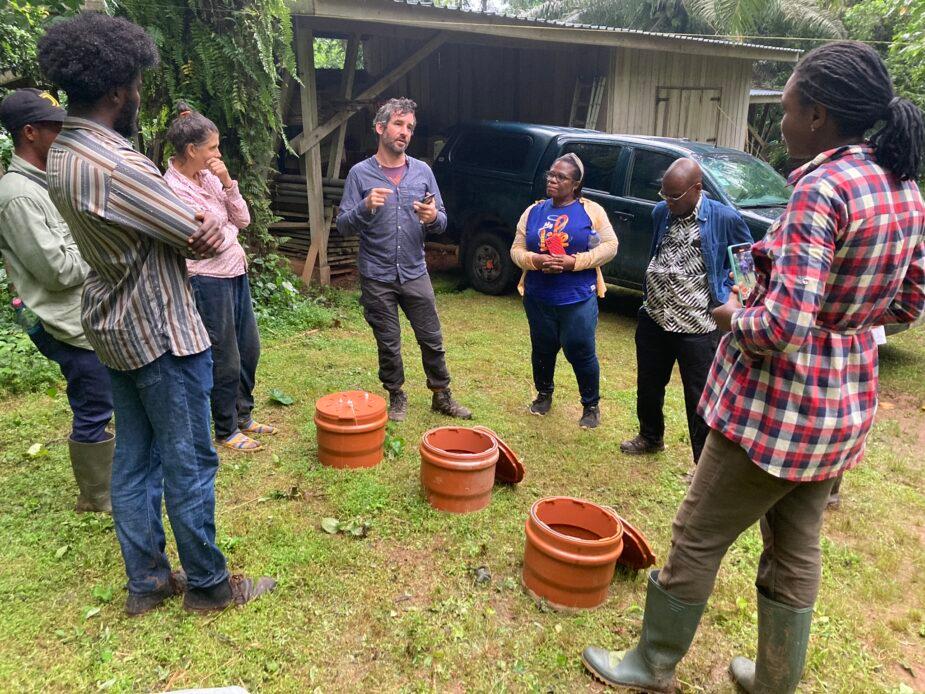
In West Africa, cocoa is mainly grown in monocultures using synthetic fertilisers and pesticides. This is not sustainable: it leads to soil degradation and adds to the problem of resistance. Strategically planting trees to provide shade increases the resilience of cocoa farms and protects the farmers working the land. This is according to the initial findings of a Swiss–Ghanaian research project.
You can read the full publication here